两年半前,当我被要求帮助撰写美国最权威的气候变化报告时,我犹豫了一下。我们真的需要再次警告气候变化给这个国家带来的可怕后果吗?从法律上讲,答案是肯定的:国会要求每四年左右更新一次《国家气候评估》。但在经历了1990年以来的四次评估和六次联合国报告之后,我怀疑我们需要的是另一份报告来应对气候变化。
最后,我勉强答应了。坦率地说,我厌倦了告诫人们事情会变得多么糟糕。科学家们一次又一次地发出警报,但气温仍在上升。热浪、洪水和干旱等极端事件正变得越来越严重和频繁,正如我们所预测的那样。事实证明我们是对的。这似乎无关紧要。
我们周二发布的报告包含了更多可怕的警告。有很多新的理由让人感到绝望。由于最近的科学进步,我们现在可以将气候变化与特定的极端天气灾害联系起来,并且我们对气候系统中的反馈回路如何使变暖变得更糟有了更好的了解。我们现在还可以更自信地预测,如果全球排放继续按照目前的轨迹发展,将会出现灾难性后果。但对我来说,第五次国家气候评估中最令人惊讶的新发现是:也取得了真正的进展。
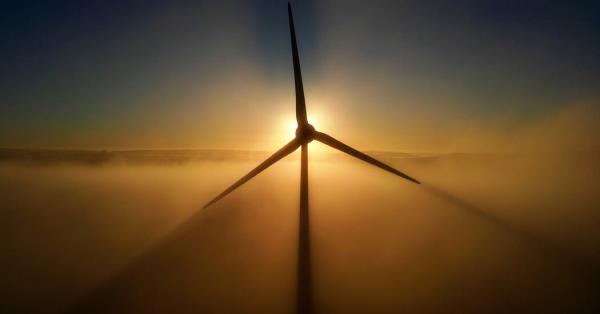
我已经习惯了令人难以置信的数字,这份报告中有很多这样的数字。自工业革命以来,人类向大气中排放了大约1.6万亿吨碳——比地球上所有生物的重量加起来还多。但在我们写报告的时候,我了解到其他更令人难以置信的数字。在过去的十年里,风能的成本下降了70%,太阳能下降了90%。可再生能源目前占新增发电量的80%。我们国家的温室气体排放量正在下降,尽管我们的gdp和人口都在增长。
在报告中,我们的任务是预测未来的气候变化。我们展示了如果全球变暖2摄氏度,美国将会是什么样子。这不是一幅美好的画面:更多的热浪,更多令人不安的炎热夜晚,更多的倾盆大雨,更多的干旱。如果温室气体排放量继续上升,我们可能在未来几十年内达到这一点。如果它们下降一点,也许我们可以推迟到本世纪中叶。但我们的发现也带来了一线希望:如果排放量像报告所建议的那样大幅下降,我们可能永远无法达到2摄氏度。在我的职业生涯中,我第一次有了一种奇怪的感觉:乐观。这个简单的认识足以让我相信,发布另一份气候报告是值得的。
美国发生了一些变化,不仅仅是气候。全国各地的州、地方和部落政府已经开始采取行动。一些政治家现在实际上是在气候变化问题上进行竞选,而不是忽视或撒谎。在我们提交初稿的2022年,国会通过了联邦气候立法——我一直认为这是不可能的。
虽然报告强调了限制气候变暖以防止可怕风险的紧迫性,但它也传达了一个新的信息:我们可以做到这一点。我们现在知道如何大幅减少温室气体排放,以一种可持续、健康和公平的方式做到这一点是很有可能的。对话继续进行,科学家的角色也发生了变化。我们不再只是在警告危险。我们在指引安全之路。
I was wrong about those previous reports: They did matter, after all. While climate scientists were warning the world of disaster, a small army of scientists, engineers, policymakers and others were getting to work. These first responders have helped move us toward our climate goals. Our warnings did their job.
To limit global warming, we need many more people to get on board. This will be hard: It will require large-scale changes in infrastructure and behavior as well as removing carbon from the atmosphere. And not everyone is on board yet. In particular, the fossil fuel industry is still ignoring the science. Oil, gas and coal companies already made plans for infrastructure that, if used as intended, would cause the world to blow past the Paris agreement target of 1.5 degrees Celsius in the next few decades.
To prevent this, we need to reach those who haven’t yet been moved by our warnings. I’m not talking about the fossil fuel industry here; nor do I particularly care about winning over the small but noisy group of committed climate deniers. But I believe we can reach the many people whose eyes glaze over when they hear yet another dire warning, or see another report like the one we just published.
The reason is that now, we have a better story to tell. The evidence is clear: Responding to climate change will not only create a better world for our children and grandchildren, but it will also make the world better for us right now.
Eliminating the sources of greenhouse gas emissions will make our air and water cleaner, our economy stronger and our quality of life better. It could save hundreds of thousands or even millions of lives across the country through air quality benefits alone. Using land more wisely can both limit climate change and protect biodiversity. Climate change most strongly affects communities that get a raw deal in our society: people with low incomes, people of color, children and the elderly. And climate action can be an opportunity to redress legacies of racism, neglect and injustice.
I could still tell you scary stories about a future ravaged by climate change, and they’d be true, at least on the trajectory we’re currently on. But it’s also true that we have a once-in-human-history chance, not only to prevent the worst effects, but to make the world better right now. It would be a shame to squander this opportunity. So I don’t just want to talk about the problems anymore. I want to talk about the solutions. Consider this your last warning from me.
Kate Marvel, a climate scientist at the environmental nonprofit Project Drawdown, was a lead author on the Fifth National Climate Assessment. She was previously a research scientist at Columbia University and the NASA Goddard Institute for Space Studies.
The Times is committed to publishing a diversity of letters to the editor. We’d like to hear what you think about this or any of our articles. Here are some tips. And here’s our email: letters@nytimes.com.
Follow The New York Times Opinion section on Facebook, Twitter (@NYTopinion) and Instagram.